
Wooden Chopping Boards Buying Guide for online
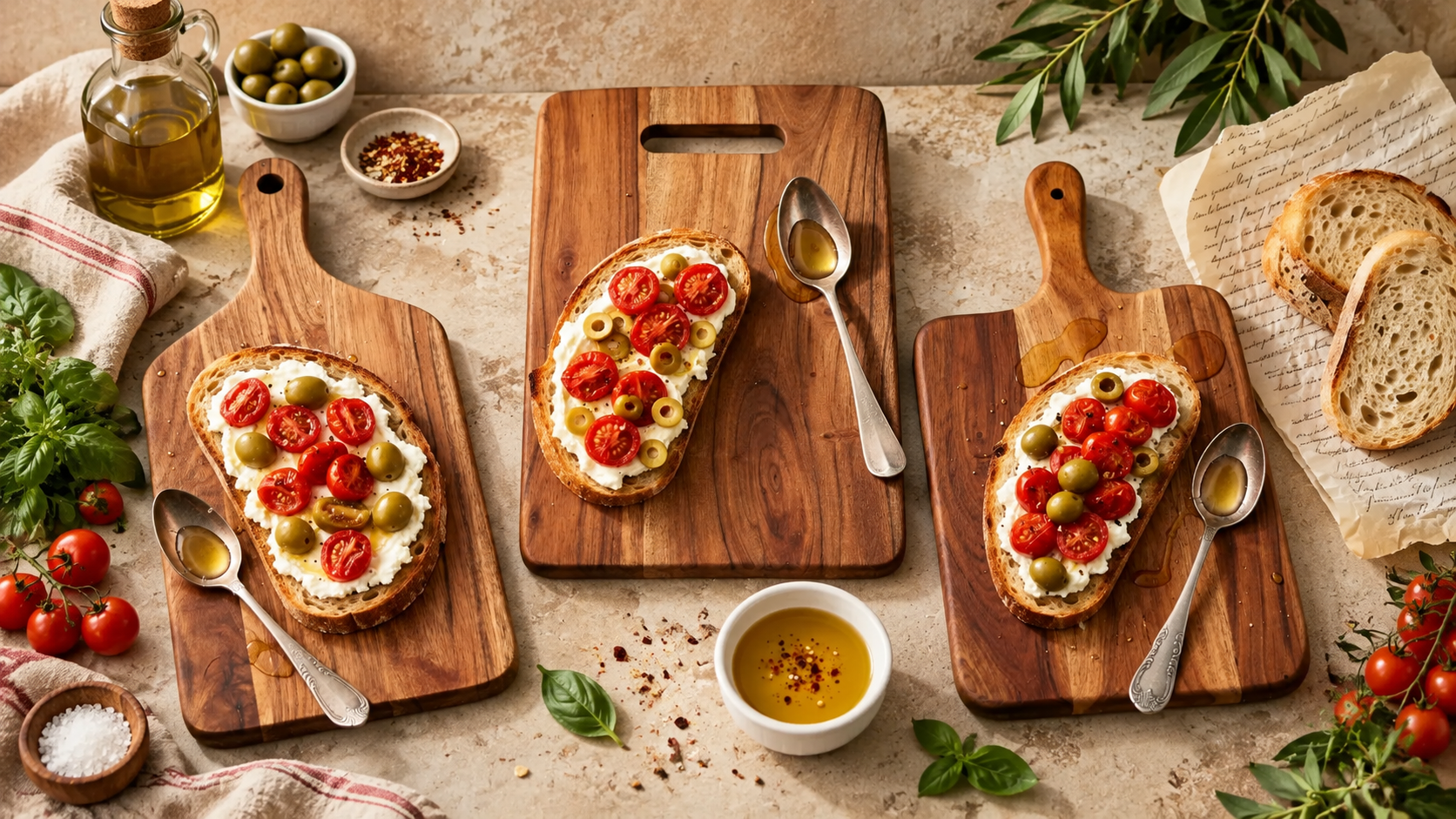
Wooden Chopping Boards Buying Guide for Commercial Buyers
Choosing the right wooden chopping boards is important for restaurants, hotels, catering companies, food businesses, and retailers. A suitable chopping board provides a practical food preparation surface, withstands regular use, and is easy to maintain.
However, not all wooden chopping boards are the same. Differences in wood type, thickness, size, construction, and finish can affect their durability, maintenance, and suitability for commercial kitchens.
Whether you are purchasing boards for a restaurant, supplying kitchen products to retailers, or sourcing wholesale wooden chopping boards, understanding the key buying factors can help you make an informed decision.
This guide explains how to compare materials, select the right sizes, evaluate quality, and find a reliable wooden chopping board supplier. It also covers purchasing wooden chopping boards in Bengaluru, Karnataka, for businesses with local sourcing requirements.
1. Understand Your Commercial Chopping Board Requirements
Before purchasing wooden chopping boards, identify how your business will use them. A restaurant preparing vegetables throughout the day may have different requirements from a retailer selling premium kitchen accessories.
Common commercial applications include:
-
Restaurants and cafés: Chopping boards for preparing vegetables, fruits, bread, and other ingredients.
-
Hotels: Boards for professional kitchens, food preparation stations, and selected serving applications.
-
Catering businesses: Durable boards that can accommodate frequent preparation and cleaning.
-
Food retailers: Chopping boards for retail sale, gift collections, and kitchenware displays.
-
Kitchenware wholesalers: Boards purchased in larger quantities for resale to retailers and distributors.
Consider how frequently the boards will be used, what ingredients they will come into contact with, and how they will be cleaned and stored.
For commercial kitchens, food safety and proper sanitation should be priorities when selecting and maintaining any chopping board.
2. Compare Different Types of Wooden Chopping Boards
The type of wood affects a chopping board's appearance, weight, durability, and maintenance requirements. Commercial buyers should compare available materials before The best material depends on the intended use, construction, finish, and maintenance requirements. Bamboo is technically a grass rather than wood, so it should be compared separately when evaluating wooden and alternative chopping boards.
For commercial use, ask suppliers about the wood species, manufacturing process, adhesive used where applicable, and food-contact suitability.
3. Choose the Right Size and Thickness
Board dimensions influence workspace efficiency, storage, handling, and the type of food preparation a board can accommodate.
Consider these factors when purchasing wooden chopping boards:
-
Small boards: Useful for limited preparation tasks, small kitchens, and retail kitchenware collections.
-
Medium boards: Suitable for everyday food preparation and general kitchen use.
-
Large boards: Provide more working space for larger ingredients and high-volume preparation.
-
Thickness: Thicker boards may provide greater stability and weight, while thinner boards are generally easier to handle and store.
The ideal dimensions depend on the kitchen's available workspace and the intended application. Commercial buyers should request exact measurements rather than relying on general product descriptions.
If you are ordering bulk wooden chopping boards, confirm that the dimensions and thickness are consistent across the entire order.
4. Check Quality and Food Safety Before Buying
Quality is especially important when purchasing chopping boards for businesses. Poor construction, rough surfaces, or unsuitable finishes can affect usability and make cleaning more difficult.
Before placing an order, check the following:
Wood quality: Look for boards made from suitable, properly dried wood without major cracks, splits, or structural defects.
Surface finish: The surface should be smooth and free from splinters. Avoid boards with finishes that are not suitable for food contact.
Construction: Check for loose joints, gaps, and weak bonding in boards made from multiple pieces.
Stability: The board should sit securely on a suitable work surface and should not wobble during normal use.
Moisture management: Ask about the recommended cleaning and drying process. Excessive moisture can contribute to warping, cracking, and other damage.
Food-contact suitability: Confirm that the materials and any adhesives or finishes are appropriate for the intended food-contact use.
For commercial kitchens, also check applicable food safety requirements and sanitation procedures. Wooden boards need appropriate cleaning, drying, and regular inspection. They should be replaced when they become deeply scored, cracked, or difficult to clean effectively.
5. Compare Wholesale Wooden Chopping Boards and Prices
Businesses purchasing chopping boards in large quantities should compare product specifications and total costs rather than focusing only on the price per piece.
When requesting quotations for wholesale wooden chopping boards, consider:
-
Wood species and material quality
-
Board dimensions and thickness
-
Construction and finish
-
Order quantity and minimum order requirements
-
Custom branding or packaging costs
-
Delivery and transportation charges
-
Product availability and lead times
-
Return and replacement policies
Request quotations from multiple suppliers using the same specifications. This makes it easier to compare offers accurately.
For retailers, also consider packaging, product presentation, and expected retail pricing. For restaurants and hotels, durability, maintenance, and suitability for daily use may be more important than decorative appearance.
6. Benefits of Buying Wooden Chopping Boards in Bulk
Purchasing bulk wooden chopping boards can help businesses manage procurement, particularly when they have regular requirements or operate multiple locations.
Potential benefits include:
-
Volume-based pricing: Some suppliers offer discounts for larger orders, depending on quantity and specifications.
-
Consistent product range: Buying the same models can help maintain a consistent appearance across kitchens or retail collections.
-
Simplified procurement: Larger orders can reduce the need for frequent purchasing.
-
Inventory planning: Maintaining appropriate stock can help retailers and distributors fulfil customer orders.
-
Customisation options: Some manufacturers may offer custom sizes, packaging, or branding for qualifying orders.
Before placing a bulk order, confirm product availability, storage requirements, delivery schedules, and sample approval. Avoid purchasing more stock than your business can reasonably store or sell.
7. How to Choose a Reliable Wooden Chopping Board Supplier
Finding a dependable wooden chopping board supplier is important for maintaining product quality and ensuring timely deliveries.
Evaluate potential suppliers using these criteria:
-
Product range: Check whether the supplier offers the wood types, sizes, and designs you need.
-
Quality standards: Ask about wood sourcing, manufacturing processes, finishing, and quality checks.
-
Food-contact information: Request details about the suitability of materials, adhesives, and finishes.
-
Bulk supply capacity: Confirm whether the supplier can fulfil your required quantity and support repeat orders.
-
Customisation: If you need branded or customised boards, ask about minimum quantities and additional charges.
-
Transparent pricing: Request a detailed quotation covering product and delivery costs.
-
Delivery reliability: Confirm stock availability, lead times, and shipping arrangements.
For large orders, request samples and inspect them before approving production or confirming the full purchase.
8. Buying Wooden Chopping Boards in Bengaluru, Karnataka
Businesses looking for wooden chopping boards in Bengaluru, Karnataka, may need products for restaurants, hotels, catering operations, kitchenware stores, or wholesale distribution.
When comparing local suppliers, consider their product range, stock availability, minimum order quantities, and delivery coverage. Ask whether they can supply the required wood type, dimensions, and finish in the quantities your business needs.
If you are sourcing wholesale wooden chopping boards in Bengaluru, provide suppliers with a clear product specification and request a quotation. Compare the complete cost, including transportation and packaging, before making a purchase.
For businesses with regular requirements, discuss repeat-order availability and whether the supplier can maintain consistent product specifications.
9. Common Mistakes to Avoid When Buying Wooden Chopping Boards
Commercial buyers can avoid unnecessary expenses by looking out for these common purchasing mistakes:
-
Choosing only by price: Low-cost boards may have inconsistent construction or unsuitable finishes.
-
Ignoring food safety: Confirm that the board is suitable for its intended food-contact application.
-
Overlooking dimensions: Incorrect sizes can make boards inconvenient for kitchen workstations.
-
Skipping sample inspections: A sample can help identify defects before a large purchase.
-
Ignoring maintenance: Understand the cleaning, drying, and care requirements before purchasing.
-
Ordering without checking stock: Confirm availability and delivery schedules to avoid operational delays.
A clear purchase specification helps suppliers understand your requirements and reduces the risk of receiving unsuitable products.
10. Frequently Asked Questions
Which wooden chopping boards are suitable for commercial kitchens?
Hardwoods such as maple, teak, and acacia are used for chopping boards. Suitability depends on the board's construction, finish, food-contact safety, maintenance, and the kitchen's sanitation procedures.
Where can businesses buy wholesale wooden chopping boards?
Businesses can source wholesale wooden chopping boards from manufacturers, kitchenware wholesalers, and distributors. Compare product quality, minimum order quantities, prices, and delivery terms before purchasing.
Is buying wooden chopping boards in bulk cost-effective?
Bulk wooden chopping boards may provide volume discounts and simplify procurement. However, the overall value depends on product quality, storage costs, delivery charges, and how quickly your business uses or sells the boards.
What should I check before purchasing wooden chopping boards?
Check the wood type, dimensions, thickness, surface finish, construction, and food-contact suitability. For large orders, request samples and confirm the product specifications in writing.
How can I find wooden chopping boards in Bengaluru?
Compare local kitchenware suppliers, manufacturers, and distributors in Bengaluru. Ask for product specifications, bulk pricing, availability, and delivery details to find a supplier that meets your business requirements.
Conclusion
Choosing the right wooden chopping boards involves more than comparing prices. Commercial buyers should consider material quality, dimensions, construction, food safety, maintenance, and supplier reliability.
Whether you operate a restaurant, manage a hotel kitchen, or sell kitchenware, understanding these factors can help you select suitable products and plan purchases more efficiently.
If you are looking for wholesale wooden chopping boards, bulk wooden chopping boards, or wooden chopping boards in Bengaluru, Karnataka, compare suppliers carefully and confirm product specifications before placing your order. A well-planned purchasing process can help your business manage costs, maintain product consistency, and meet its ongoing requirements.
