
Top Acacia Wood Chopping Boards to Buy for Your Kitchen
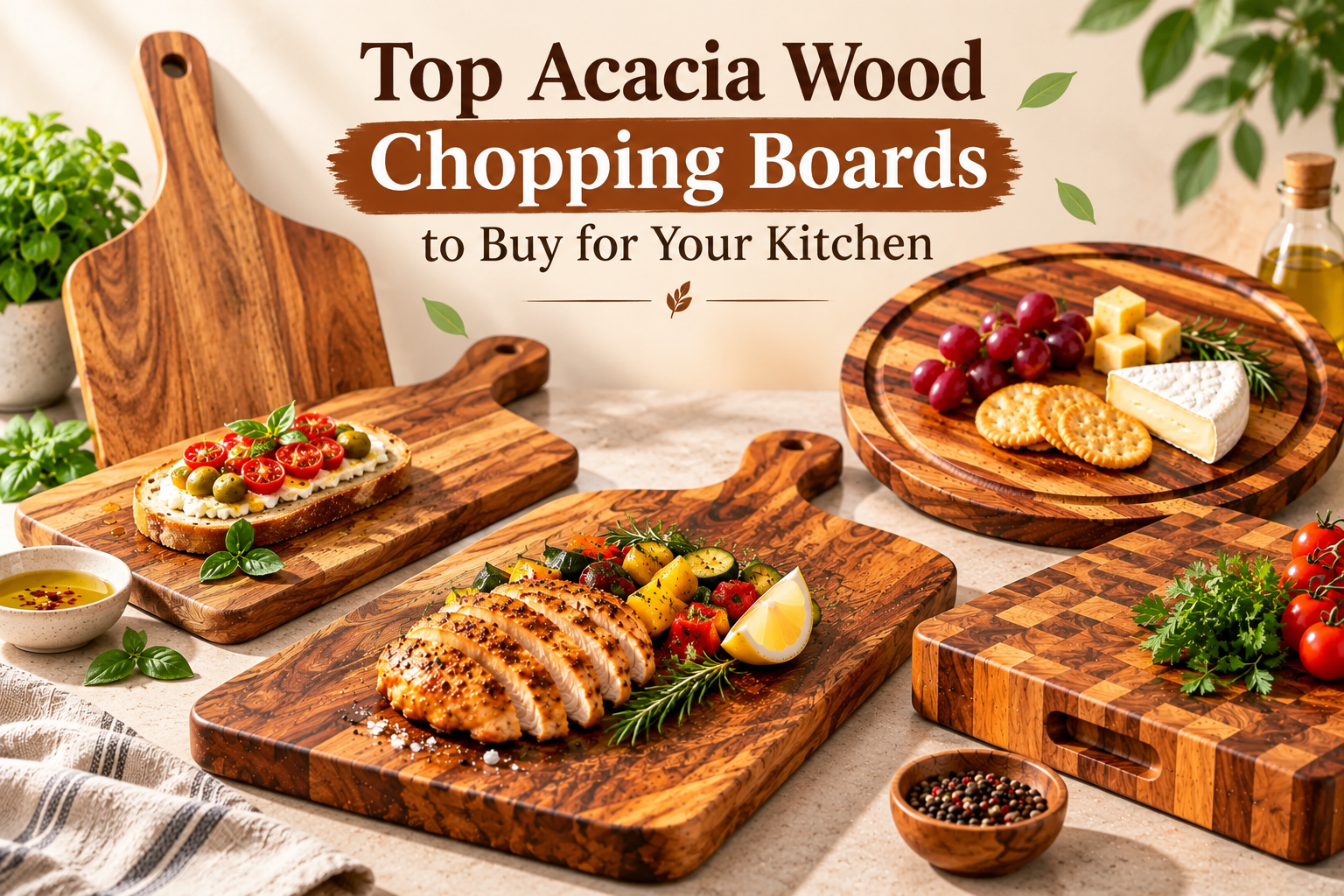
A good chopping board is an essential kitchen accessory that makes everyday food preparation easier, safer, and more convenient. Whether you are chopping vegetables, slicing fruits, or preparing ingredients for a family meal, choosing the right board can improve your cooking experience.
Among the many materials available, an acacia wood chopping board stands out for its durability, natural beauty, and distinctive grain patterns. Its warm appearance makes it a functional kitchen essential that can also double as an elegant serving board.
If you are planning to buy an acacia wood chopping board, understanding the different styles, features, and maintenance requirements can help you find the right option for your kitchen.
In this guide, we explore the top acacia wood chopping board styles to consider, their benefits, and the important factors to evaluate before making a purchase.
Why Choose an Acacia Wood Chopping Board?
Acacia wood is a hardwood known for its attractive appearance and strength. Its natural characteristics make it a popular material for kitchen accessories, furniture, and serving products.
Here are some reasons why an acacia wood cutting board is worth considering.
1. Durable for Everyday Kitchen Use
Acacia wood is naturally dense and sturdy, making it suitable for regular food preparation.
A well-constructed board can handle common kitchen tasks such as chopping vegetables, slicing fruits, and preparing bread. With proper cleaning and maintenance, a quality acacia wood chopping board can remain useful for years.
2. Unique Natural Grain Patterns
One of the most attractive features of acacia wood is its distinctive grain.
Its natural variations in color, texture, and pattern give every board a unique appearance. From rich brown shades to lighter golden tones, acacia wood complements a wide range of kitchen interiors.
3. A Practical and Stylish Kitchen Accessory
An acacia wood chopping board is not limited to food preparation.
It can also be used to serve cheese, bread, fruits, and appetizers. This versatility makes it a practical choice for people who appreciate functional kitchen accessories with an elegant appearance.
4. A Natural Alternative to Plastic Boards
Wooden chopping boards offer a natural appearance and can be gentler on knife edges than many hard cutting surfaces.
However, proper cleaning and drying are essential. Wooden boards should not be considered automatically safer than plastic boards; food safety depends on appropriate handling, cleaning, and maintenance.
Top Acacia Wood Chopping Boards to Consider
The best acacia cutting board depends on your cooking habits, available space, and preferred design.
Here are five popular styles worth considering when shopping for an acacia wood chopping board.
1. Classic Rectangular Acacia Chopping Board
A classic rectangular chopping board is one of the most versatile options for a home kitchen.
Its practical shape provides sufficient working space for chopping vegetables, slicing fruits, and preparing ingredients. It is also easy to store in kitchen cabinets or keep on a countertop.
If you need a reliable board for everyday cooking, this style is a practical starting point.
2. Large Acacia Wood Cutting Board
A large acacia wood cutting board provides additional space for preparing multiple ingredients at once.
It is especially useful for people who cook frequently, prepare meals in advance, or need more room when handling larger food items.
Before purchasing, check the board's dimensions to ensure it fits comfortably on your kitchen countertop.
3. Premium Acacia Chopping Board with Juice Groove
A juice groove is a shallow channel around the board's cutting surface that helps collect liquids released during food preparation.
This feature can be particularly useful when cutting tomatoes, juicy fruits, or cooked meat.
A premium acacia chopping board with a juice groove offers additional convenience by helping reduce liquid spills on the countertop.
4. End-Grain Acacia Chopping Board
End-grain chopping boards are constructed by arranging wood pieces so that the ends of the wood fibers form the cutting surface.
This construction is often valued for its durability and knife-friendly characteristics. However, end-grain boards may be heavier and require more maintenance than simpler designs.
If you are looking for a premium kitchen accessory, an end-grain acacia cutting board can be worth considering.
5. Acacia Wood Serving and Chopping Board
A serving-style acacia wood board combines practical food preparation with attractive presentation.
Its natural grain makes it suitable for serving cheese, bread, snacks, and appetizers. Some designs also feature handles or distinctive shapes that make them easier to carry and display.
This is an excellent option for buyers who want a multifunctional kitchen accessory.
Acacia Wood Chopping Board Comparison
Use this comparison to identify which style best matches your kitchen requirements.
| Board Style | Main Advantage | Ideal Use |
|---|---|---|
| Classic Rectangular | Versatile design | Daily chopping |
| Large Cutting Board | Spacious surface | Family meal preparation |
| Juice Groove Board | Helps collect liquids | Juicy ingredients |
| End-Grain Board | Premium construction | Frequent cooking |
| Serving Board | Attractive presentation | Cheese, bread, and appetizers |
The right choice depends on how you plan to use the board. For everyday cooking, a classic rectangular or large chopping board is generally a practical option. For entertaining guests, a serving-style board may be more suitable.
What to Look for When Buying an Acacia Wood Chopping Board
Before you buy an acacia wood chopping board, consider these important features.
Size and Thickness
Choose a board that suits your available countertop space and cooking requirements.
-
Small boards are suitable for quick preparation tasks.
-
Medium boards offer a practical balance between size and storage.
-
Large boards provide more working space.
-
Thicker boards may offer greater stability but can be heavier.
Wood Quality and Construction
Look for a well-constructed board with a smooth surface, properly finished edges, and secure joints where applicable.
Avoid products with visible cracks, rough edges, or poorly joined sections.
Food-Safe Finish
A food-safe finish is important for wooden kitchen accessories.
Many wooden chopping boards are treated with food-grade mineral oil or other suitable finishes to help protect the wood. Check the manufacturer's product details and care instructions before applying any additional treatment.
Design and Functionality
Features such as juice grooves, handles, reversible surfaces, and non-slip support can improve convenience.
Consider whether you need a board primarily for chopping, serving, or both.
Price and Long-Term Value
When comparing chopping boards, consider their construction quality, dimensions, maintenance requirements, and expected use.
A well-made board that suits your cooking habits may provide better long-term value than a cheaper alternative that requires frequent replacement.
Where to Buy Acacia Wood Chopping Boards Online
Shopping online makes it easier to explore different board sizes, designs, and features.
When searching for an acacia wood cutting board online, choose a reliable retailer that provides clear product specifications, detailed images, and transparent care instructions.
Before placing your order, review:
-
Material and construction details
-
Product dimensions and thickness
-
Food-safe finish information
-
Cleaning and maintenance instructions
-
Shipping and return policies
Comparing these details can help you select a board that meets your kitchen requirements.
If you are looking for a natural wood chopping board, prioritize quality craftsmanship, practical design, and appropriate maintenance requirements rather than appearance alone.
How to Maintain Your Acacia Wood Chopping Board
Proper maintenance helps preserve the appearance and functionality of your wooden chopping board.
Follow these simple care practices:
Clean after every use: Wash with mild dish soap and warm water. Avoid soaking the board.
Dry immediately: Use a clean towel and allow the board to air-dry completely before storing it.
Avoid dishwashers: High temperatures and prolonged exposure to water can cause wooden boards to crack or warp.
Apply food-grade mineral oil: Periodic oiling helps maintain the wood's condition and reduce excessive drying. Follow the manufacturer's recommendations.
Store properly: Keep the board in a dry, well-ventilated area away from prolonged moisture and direct heat.
Practice food safety: Use separate boards for raw meat, seafood, and ready-to-eat foods when appropriate. Clean and sanitize boards according to food safety recommendations.
Frequently Asked Questions
Is an acacia wood chopping board good for everyday use?
Yes. Acacia wood is a durable hardwood suitable for everyday food preparation when properly maintained. Its natural appearance and sturdy construction make it a popular choice for home kitchens.
Is acacia wood better than bamboo for chopping boards?
Both materials have advantages. Acacia wood is valued for its natural grain patterns and appearance, while bamboo is often appreciated for its lightweight construction. The best choice depends on your preferences, construction quality, and maintenance requirements.
How often should I oil an acacia wood chopping board?
Oil the board when it begins to look dry or lose its natural appearance. The frequency depends on usage, cleaning habits, and the manufacturer's recommendations.
Can an acacia wood chopping board be used for serving?
Yes. Many acacia boards are suitable for serving bread, cheese, fruits, and appetizers. Their natural grain patterns make them an attractive addition to dining tables.
Is it safe to buy an acacia wood chopping board online?
Yes, provided you purchase from a reputable retailer and review the product's material, finish, dimensions, and care instructions. Look for clear product information and a suitable food-safe finish.
Final Thoughts
An acacia wood chopping board is a practical and attractive addition to any kitchen. Its durability, distinctive grain patterns, and versatility make it suitable for everyday food preparation as well as serving.
Whether you prefer a classic rectangular board, a large cutting surface, or a premium design with a juice groove, choosing the right board depends on your cooking habits and kitchen requirements.
Before making a purchase, compare the wood quality, construction, dimensions, and maintenance requirements.
If you are planning to buy an acacia wood chopping board, choose a design that combines functionality, quality craftsmanship, and natural beauty to make everyday cooking more enjoyable.
